- What is Tilak School of Politics?
- An independent institution for research, education, and analysis. We combine political strategy, policy research, governance frameworks, and training—not as a traditional university, but as a working ecosystem where research meets real-world campaigns and democratic practice.
- Is Tilak School of Politics a political party?
- No. We are not a party and we are not affiliated with one. We work with parties, candidates, institutions, and learners under clear ethical and legal boundaries.
- What is the School’s historical legacy?
- Tilak School of Politics was first established in 1921 by Punjab Kesari Lala Lajpat Rai to build national consciousness and political training. That legacy is tied to India’s freedom movement and figures such as Shaheed Bhagat Singh and Lal Bahadur Shastri. The School has been revived by a new generation of strategists and researchers with a global, youth-led vision for democratic governance.
- Where are you based, and who operates the School?
- We are based in New Delhi. Tilak School of Politics is operated by Tilak School of Rajneeti Private Limited and led by a team of political strategists, researchers, and educators.
- What services do you offer?
- Four integrated areas: strategic consulting and campaign management; governance and institutional alignment after elections; strategic research and policy advocacy; and knowledge, learning, and digital capacity building. See the Services section for an overview of each.
- Do you work within Election Commission and statutory rules?
- Yes. Campaigns and strategic work are planned and executed within Election Commission guidelines and applicable law. Compliance with democratic institutions is one of our guiding principles.
- How do you protect client and partner data?
- We apply strict confidentiality and data-privacy standards for every client, partner, and network. Integrity and absolute data confidentiality are core to how we operate.
- Do you support governance after an election is won?
- Yes. Our governance practice helps translate electoral commitments into roadmaps for delivery—grounded in ethics, transparency, public trust, and citizen-centred policy.
- Where can I read your published articles?
- Published commentary and releases are on our official Substack. From the Articles section, choose View articles to open it.
- Can I submit an article for publication?
- Yes. Use Submit articles on the Articles page. Send your name, topic, email, and draft (800–1,500 words). Submissions are reviewed by the editorial team; we will contact you using the email you provide.
- What does your electoral analysis cover?
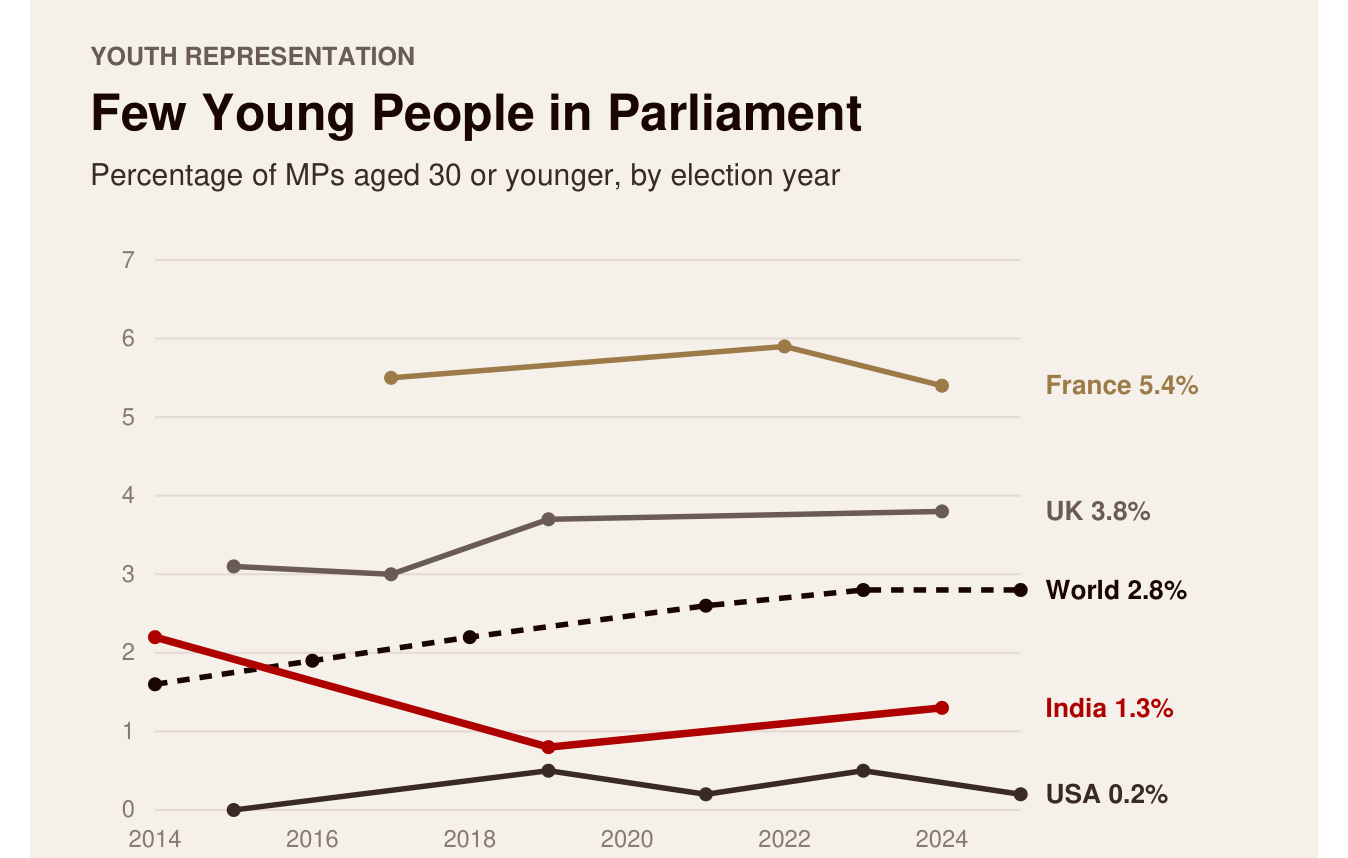
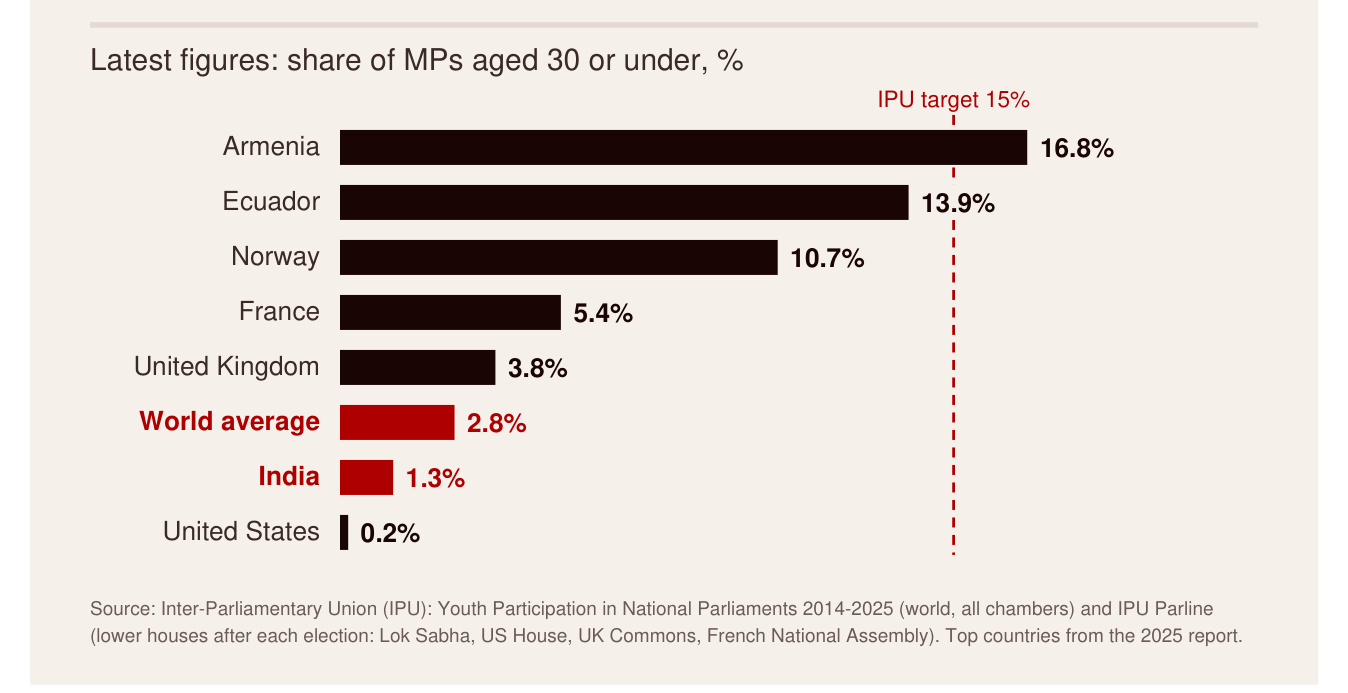
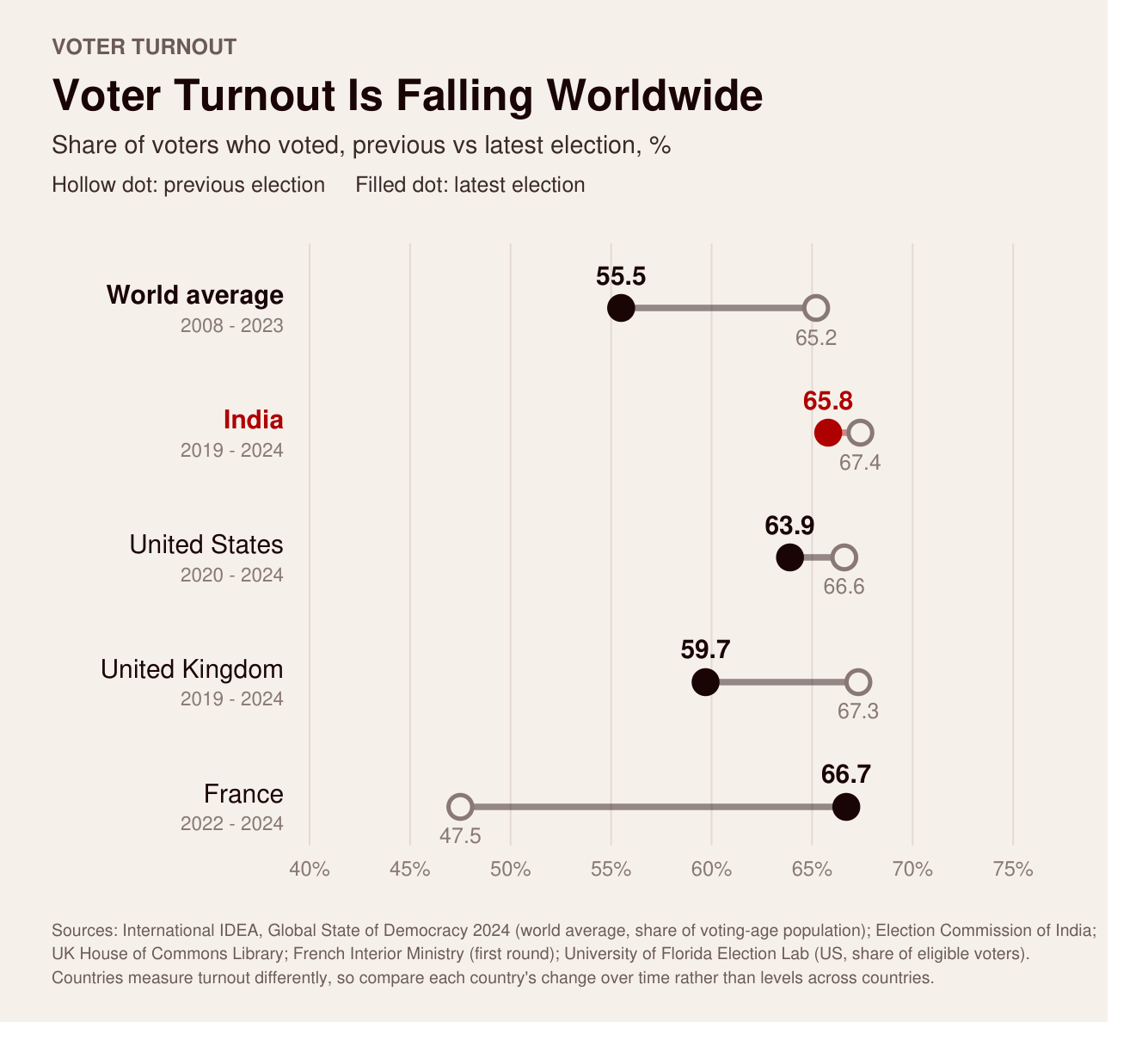
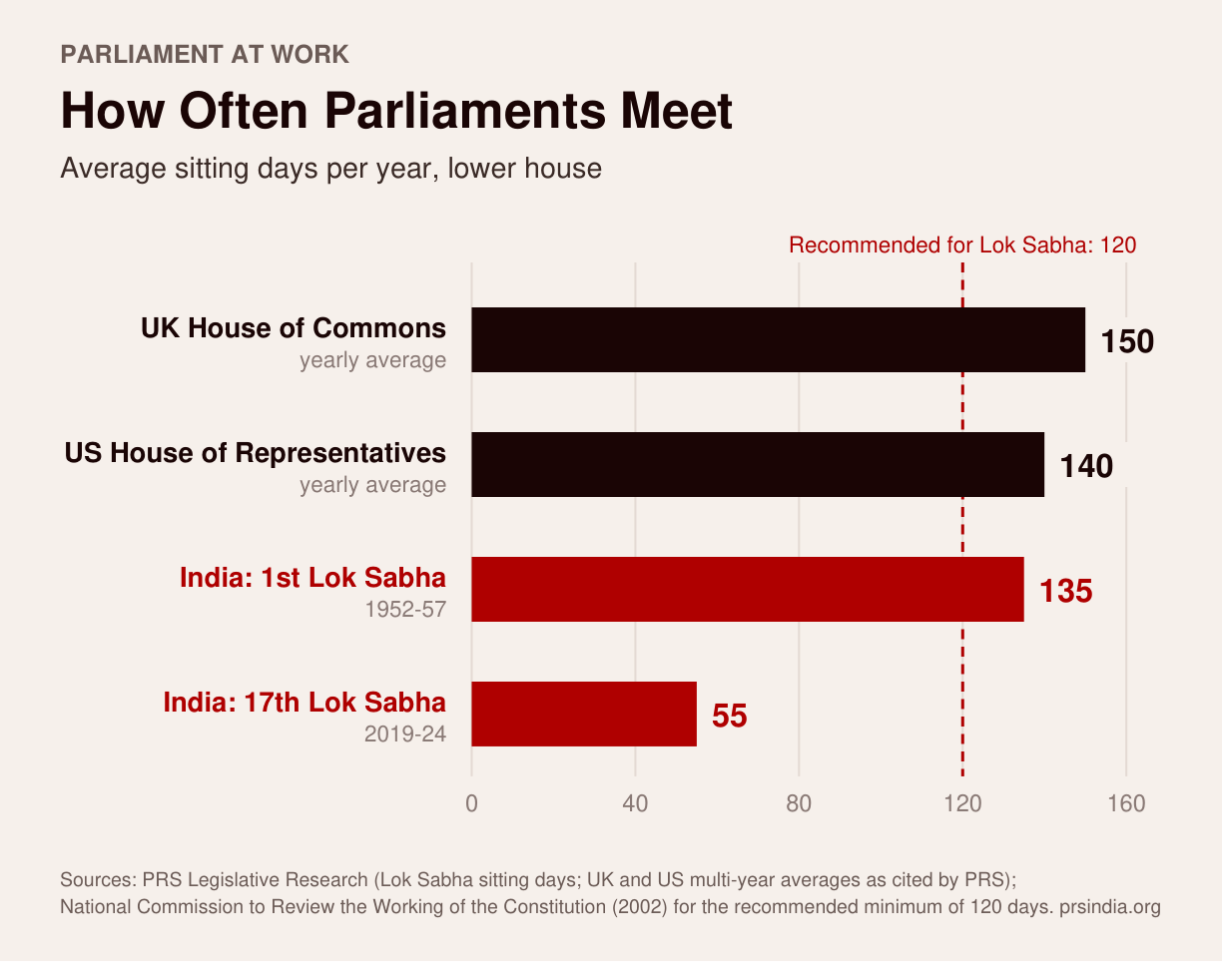
- We publish data-driven charts and briefs on themes such as youth representation in legislatures, voter turnout, and parliamentary functioning—intended for journalists, researchers, students, and citizens following Indian and comparative democracy.
- Who are your courses for, and when will they open?
- Courses are for aspiring and working campaign managers, digital strategists, researchers, field teams, and new entrants to political work. Online and in-person formats are planned; dates, fees, and enrolment will be announced in the Courses section.
- Do I need prior experience to join a course?
- No. Programmes are designed for both beginners and practitioners. Completion certificates are issued subject to active participation and finishing the programme requirements.
- How can I follow the School online?
- Use the links in Follow us in the footer—LinkedIn, Instagram, X, WhatsApp, and Substack—for updates on research, courses, and events.